Send a digital piece
- Deadline: Thursday, December 10, 2026
- A video, poem, artwork, audio clip, or photo story, about 2 minutes or one page
- No travel. Shared with leaders in the room on January 31
For teachers & school leaders
Student voices on the state of student voice · AAIE 2027
School leaders are gathering on January 31 to learn from students about where they get a say and where there's room for more. Students can take part in two ways: send a short digital piece from anywhere, or perform in person in Atlanta. This page has everything you need to pass both on.
Two ways to take part
Most students will send a digital piece. Students who can be in Atlanta on January 31 can also perform in person. Each option has its own page and sign-up.
Which one fits? If a student can't travel to Atlanta, the digital piece is the way in. If they'll be in Atlanta on January 31, they can perform in person, send something digital, or both. The in-person sign-up takes about 3 minutes, and saying yes isn't a commitment: we email the student and their family with details before anything is final.
Start here
You don't need to run anything. Students make their piece and send it in themselves, with an adult's okay. Your job is to make sure they hear about it.
Play the 90-second walkthrough in advisory, homeroom, or class, or post it where students will see it.
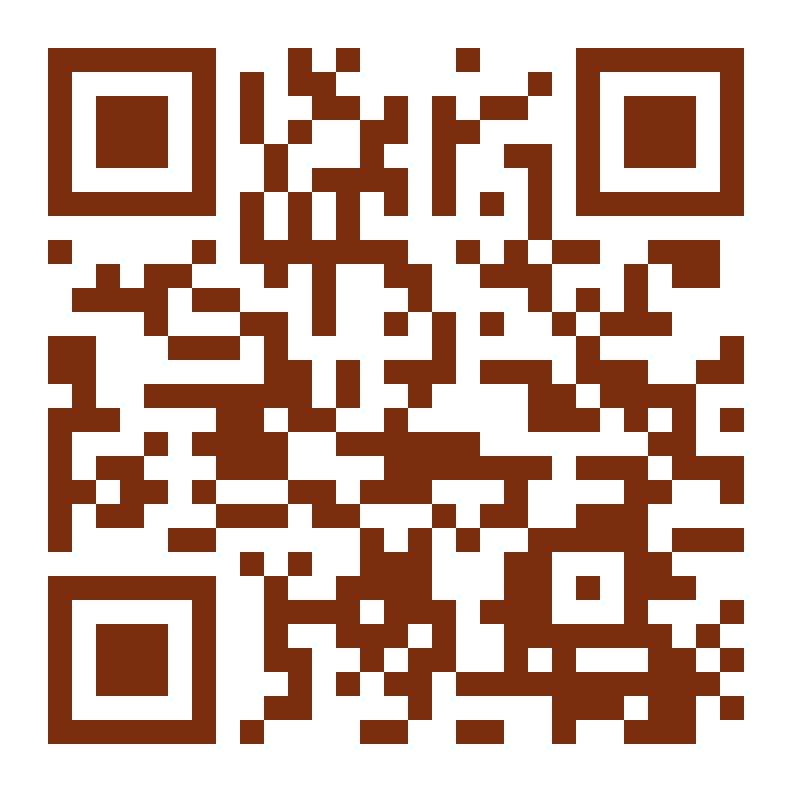
Post the link and QR code, or print the poster for hallways and classroom doors.
Pick a ready-made message for families, students, colleagues, or your newsletter. Copy, paste, send.
Why it matters
This isn't a contest or a showcase. It's a chance for students to share what school is like from where they sit, with leaders who want to learn from them.
AAIE, the Association for the Advancement of International Education, is a nonprofit network that brings together heads of school, principals, and other leaders of international schools around the world. Its 2027 Global Leadership Conversation takes place in Atlanta, February 1–3. On January 31, 2027, the day before it begins, a group of these leaders will spend a full day at Between a Seat and a Say, learning from students.
Students' pieces are seen by the people who decide how schools work.
Leaders will use what students share as they think about redesigning their own schools.
Students practice putting an idea into words, images, or sound for adults who want to hear it.
Video, poetry, art, audio, games: students pick the form that suits them, with no grade attached.
For heads of school: sharing this sends your students a clear message that their perspective is welcome. It also signals to families that your school is part of a global conversation about listening to students.
The video
A 90-second walkthrough of the call-out, from the mixing board to the starting ideas to the December 10 deadline.
Need a different shape for a screen or a story? These versions have no music, so you can add your own.
Link, QR code & poster
Each option has its own page with everything students need, including the form. IB Diploma schools also have a Theory of Knowledge edition. The poster below is for the digital call-out.
The same digital call-out, built around the TOK course. Students choose the core theme, an optional theme, or an area of knowledge and get a knowledge question, an idea to make, and the exhibition prompts it connects to. It includes a one-lesson plan for TOK teachers.
seat-and-say-tok.netlify.appA one-page poster with the QR code and deadline. It prints on Letter or A4. Put it on classroom doors, in the library, or by the lunch line.
Copy-ready messages
Pick who you're writing to. Each message is ready to paste, and you can change anything you like.
Use it in class
The student page has a "Need a spark?" shuffle with these starting ideas. Each one works as a video, poem, artwork, audio clip, or anything else. Here they are with the classes they fit best, so teachers can fold the call-out into work students are already doing.
Finish this sentence 10 different ways: "At school, I wish I could decide…"
Any classWarm-upRecord 30 seconds of a place where you feel heard, and 30 seconds of one where you don't.
MediaMusicName the one rule you'd delete from your school, and the one you'd add.
AdvisoryStudent councilInterview your younger self. What did nobody ever ask you?
AdvisoryWellbeingMake a before-and-after: a decision made without students, then the same decision made with them.
DesignCivicsWho decides what counts as knowing something at your school? Show us one thing you know that would never show up on a test.
Theory of KnowledgeMap the power at your school: who makes the rules, who can change them, and who doesn't usually get asked. Then make the case for one change.
Global PoliticsCivicsTake a real school text, like a handbook rule, a report card comment, or an announcement, and rewrite it from a student's point of view. What changes?
Language & LiteratureWalk your school like a geographer. Which spaces belong to students, which belong to adults, and who designed them? Show us one space you'd redesign, and why.
GeographyAlready made something? Bring back a project you've finished, like a personal project or an exhibition piece. Show us where you got to choose and where you didn't, and what that taught you about voice.
MYP Personal ProjectTOK ExhibitionCollect the words your school uses about students, like learners, kids, behavior, or leaders. Which words make you feel seen, and which make you feel smaller? Remix them into something of your own.
Language & LiteratureAudit one ordinary school day. Every hour, jot down who decided what you were doing: you, a teacher, a bell, a screen. What does the whole day add up to?
AdvisoryAny classThe course tags are suggestions for teachers. On the student page, the sparks don't name any course, so any student at any school can use them.
Teach TOK? There's a whole edition for you. The TOK page maps student voice onto the core theme, all five optional themes, and all five areas of knowledge. It also has the knowledge framework, the 12 concepts, and a one-lesson plan, and it makes clear the piece is separate from TOK assessment. Get the link and QR code →
Teach PYP? The PYP teacher page shows how the call-out fits units on Who we are and Where we are in place and time. It includes the new theme descriptors, sample central ideas, lines of inquiry, key concepts, and ideas for early years through upper primary.
Teach MYP? The personal project page is written for students. It helps them use a two-minute piece to test an idea they might grow into their personal project, across all six global contexts, and it reminds them to keep the piece separate from their assessed work.
Teach music? The student page now has an IB Music section with MYP and DP tabs. MYP ideas start from the arts key concepts; DP ideas use the four areas of inquiry. It also reminds students the piece earns no marks and to check with you before sending coursework.

Safety & privacy
Here's what you can tell families and colleagues who ask.
The page asks students to check in with a parent, guardian, teacher, or another adult they trust before they make or send anything.
The form asks for a parent or guardian's name and email, plus two required consents, before anything can be sent.
Pieces are shown only to school leaders during the pre-conference. They won't be posted online, shared on social media, or used anywhere else.
Full name, first name only, or no name at all. It's their call.
Rough and real beats polished. A phone and an idea are plenty.
Students can upload a file up to 8 MB or paste a link. Videos go in as links. Not finished yet? They can send the idea now and the piece later, still by December 10.
Questions from schools
No. The digital call-out works from anywhere: students send their piece in online, and it's shared with school leaders at the pre-conference on Sunday, January 31, 2027. Students who can be in Atlanta that day can also sign up to perform in person on the in-person page.
No. Any student at any school, in any country, can take part.
Any age. Elementary, middle, and high school students are all welcome. If they can connect their idea to voice and choice, they're old enough.
No. Each student fills in the form themselves, with a parent or guardian's permission. It takes about five minutes. Teachers can help with links or uploads if a student asks.
Yes. Each student sends their own piece through the form, so every student gets their own credit choice and their family's permission.
Students connect their piece back to voice and choice: a time they got to decide something, a place they feel heard, or something they wish adults understood.
Principals, heads of school, and other leaders at "Between a Seat and a Say: Listening to Students, Redesigning Our Schools," the AAIE 2027 pre-conference designed by Lauren Jones and Tricia Friedman. See the event page for adults.
Questions?
We're happy to help you share this with your students.